
Bổn phận giáo dục bắt nguồn từ trong ơn gọi đầu tiên của đôi bạn

images 1 1

(DMNC) Bổn phận giáo dục bắt nguồn từ trong ơn gọi đầu tiên của đôi bạn là dự phần vào công việc sáng tạo của Thiên Chúa

images 1 1

GIÁO DỤC CON CÁI

  1. QUYỀN VÀ BỔN PHẬN GIÁO DỤC.
    II. NHỮNG MỤC TIÊU GIÁO DỤC.

LỜI HƯỚNG DẪN.

 “Bổn phận giáo dục bắt nguồn từ trong ơn gọi đầu tiên của đôi bạn là dự phần vào công việc sáng tạo của Thiên Chúa. Khi sinh ra một ngôi vị mới trong tình yêu và do tình yêu, một ngôi vị mang sẵn trong mình ơn gọi phải lớn lên và phát triển, bậc cha mẹ cũng từ đó mà lãnh nhận bổn phận phải giúp đỡ hữu hiệu cho ngôi vị ấy được sống nhân bản trọn vẹn” (GĐ. 36)

  1. QUYỀN VÀ BỔN PHẬN GIÁO DỤC.
  2. Giáo dục con cái là hướng dẫn và giúp đỡ chúng phát triển toàn diện con người.
  3. Việc giáo dục này là quyền lợi và bổn phận của cha mẹ, không ai có thể thay thế được.
  4. Điều đó còn là vinh dự của cha mẹ Công giáo, vì khi thi hành bổn phận giáo dục, họ biết mình cộng tác với tình yêu Thiên Chúa và trở thành người diễn đạt tình yêu của Người (x. MV. 50).
  5. Bậc cha mẹ hãy ghi nhớ điều này :”Gia đình là trường học đầu tiên dạy các đức tính xã hội mà không một đoàn thể nào khác có thể vượt qua được” (TN. Giáo dục Kitô giáo 3).
  6. Muốn giáo dục thành công, cha mẹ cần lưu ý mấy điểm rất quan trọng này :
  7. a) Cha mẹ phải thăng tiến chính bản thân trước đã : phải nêu gương đời sống cao đẹp về nhân cách, đạo đức và các khả năng khác, vì “cha mẹ hiền lành để đức cho con”.
  8. b) Cha mẹ phải nhất trí trong đường hướng và phương thức giáo dục con cái : tìm hiểu tính tình, năng khiếu của con cái và phải biết dùng phương thức thích hợp giúp chúng đạt mục đích.
  9. c) Tạo bầu khí gia đình lành mạnh, cởi mở, thánh thiện, mọi người sống hòa thuận, lạc quan và biết tín nhiệm nhau.
  10. NHỮNG MỤC TIÊU GIÁO DỤC.

Phải giáo dục con cái về toàn diện mà cụ thể là những điểm sau :

  1. Giáo dục tôn giáo :

Quan điểm đầu tiên của cha mẹ Công giáo là phải dạy dỗ con cái về Thiên Chúa, về đạo lý, về cách sống đạo. Việc giáo dục tôn giáo phải bắt đầu ngay từ tấm bé, vì cây “bé ngả chiều nào, lớn ngảchiều ấy”; và phải tiếp tục không ngừng.

Đặc biệt người mẹ, thường gần gũi con hơn, nên có trách nhiệm thường xuyên và cụ thể hơn.

Muốn được thế, cha mẹ phải hiểu biết giáo lý, phải sống đạo như : siêng năng cầu nguyện, tham dự Thánh lễ và các Bí tích, nêu gương sáng ở đời sống hằng ngày…

  1. Giáo dục ngôn từ và văn hóa.

Dạy trẻ biết nói năng và cư xử lễ độ. Trẻ hay bắt chước ngôn từ và cách sống của người khác. Vì thế, cha mẹ nên để mắt tới bạn bè chúng; sửa dạy những câu nói, cử chỉ khiếm nhã; theo dõi và khích lệ việc học hành của chúng, chọn và kiểm soát sách báo : Trẻ em chỉ nên đọc những sách dành cho tuổi chúng, hướng dẫn chúng đọc những sách báo hữu ích.

  1. Giáo dục sức khỏe :

“Tinh thần sáng suốt trong thân xác lành mạnh”. Sự sạch sẽ bên ngoài là một trợ lực quí giá cho sự trong sạch tâm hồn, và nhiều khi còn là phản ảnh tự nhiên của tâm hồn cao đẹp nữa. Giúp chúng tập luyện thân xác, tăng cường sức lực. Dạy chúng biết tôn trọng thân xác là Đền Thờ Chúa Thánh Thần.

  1. Giáo dục các đức tính nhân bản xã hội.

Tục ngữ có câu “Cái nết đánh chết cái đẹp”. Song song với việc giáo dục sức khỏe, cha mẹ cần tích cực giáo dục con cái về các đức tính cá nhân và xã hội : Cần, kiệm, liêm, chính, nhân, nghĩa, lễ, trí, tín ; công, dung, ngôn, hạnh… là những đức tính vốn được người Việt nam ưa chuộng. Vì thế cần giúp chúng ngay từ bé biết rèn luyện những đức tính ấy.

  1. Giáo dục giới tính :

Đây là một vấn đề phức tạp và tế nhị, nhưng không thể bỏ qua trong việc giáo dục.

Ở từng lứa tuổi, trẻ em thắc mắc về nguồn gốc của chúng. Do đó, tùy hạng tuổi, cha mẹ cần cắt nghĩa cho chúng vấn đề ấy, trong tình thân ái, tế nhị và trong sạch. Đó là bổn phận trước tiên của cha mẹ, vì cha mẹ hiểu con cái mình hơn, biết lúc nào chúng thắc mắc, biết giải đáp tới đâu là đủ cho chúng, biết lợi dụng cơ hội thuận tiện nhất.

+ Nếu cha mẹ khước từ việc này, các em sẽ tò mò tìm hiểu nơi sách vở, báo chí thiếu đứng đắn, nơi bạn bè, phim ảnh… và hậu quả thật tai hại.

+ Biết giáo dục đúng đắn và đúng lúc, sẽ tạo được nơi các em thế quân bình, là điều cần thiết cho mọi thành công trên đường đời.

  1. Giáo dục tương lai :

Cha mẹ hướng dẫn các em biết nhìn về tương lai, vạch định một chí hướng cho đời mình. Giúp các em tập lựa chọn, dù lựa chọn ấy còn non yếu nhưng rất ích lợi cho các lựa chọn quan trọng sau này.

Nhắc nhở, tạo điều kiện để các em xác tín và trung thành với ý hướng và ơn gọi của mình.

BÀI HỌC

13.H. Giáo dục con cái là gì ?

  1. Giáo dục con cái là hướng dẫn và giúp chúng phát triển con người toàn diện về thể lý, trí tuệ, đức hạnh và tôn giáo.

14.H. Việc cha mẹ giáo dục con cái hệ trọng thế nào ?

  1. Đối với cha mẹ, việc giáo dục con cái vừa là một bổn phận, vừa là một vinh dự vì khi thi hành công việc ấy, họ cộng tác với Thiên Chúa chăm sóc mầm non quí giá cho xã hội và Hội thánh.

15.H. Muốn giáo dục thành công, cha mẹ phải thế nào ?

  1. Cha mẹ phải :

+ Thăng tiến và thánh hóa bản thân.

+ Nhất trí với nhau trong đường hướng và cách thức giáo dục.

+ Tạo bầu khí gia đình hòa thuận, thánh thiện và tín nhiệm nhau.

GPXL
Zambian Bishops denounce pre-election violence.

cq5dam.thumbnail.cropped.750.422 8
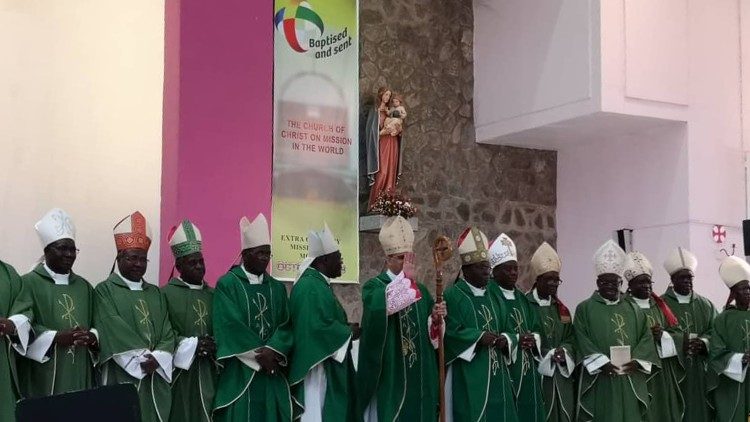
(DMNC) Catholic Bishops in Zambia say the country’s motto of “One Zambia, One Nation” is under threat going by the prevalence of pre-election violence and hate speech perpetrated by political cadres at the instigation of politicians.
cq5dam.thumbnail.cropped.750.422 8

Vatican News English Africa Service

“Of late, incidences of violence have become common such as the destruction of property, abductions, messages with a tribal tone and worse still, the shedding of blood,” said the Bishops in a recent Pastoral Statement. The Bishops’ message was issued collectively under the Zambia Conference of Catholic Bishops (ZCCB).

The Bishops add, “We appeal to all political contestants to refrain from acts of violence, hate speech and malice, but to show cause why they should be elected.”

The 12 August General Elections

General elections will be held in Zambia on 12 August 2021 to elect the President and National Assembly.

The leading Presidential contenders are the incumbent, President Edgar Lungu of the ruling Patriotic Front (PF) and Opposition leader of the United Party for National Development (UPND), Hakainde Hichilema.

Allow people to choose leaders without intimidation

The acts of violence are intended to intimidate the citizenry from choosing leaders of their choice, say the Bishops. “On the contrary, people should be free to belong to a party of their choice and to choose a candidate or candidates of their preference, without undue influence,” affirmed the prelates.

“The forthcoming elections are not the first nor the last in the history of our country. Therefore, these elections should not be marred with bloodshed. Because there is life before, during and after the elections. Let us be considerate and respectful of each other. All life is sacred,” the ZCCB members emphasised.

Church leaders must stay impartial

The Bishops further cautioned members of the clergy and those in church leadership to stay the course of impartiality.

“We are not kingmakers … In this country, leadership comes through the ballot box. We wish to encourage each other to be impartial as we guide and shepherd those entrusted to our care,” said the Bishops.

Vatican News 

Southern Africa: Bishops thank Pope Francis for his concern over recent disturbances.

cq5dam.thumbnail.cropped.750.422 7
(DMNC) The Southern African Catholic Bishops’ Conference (SACBC) is holding its Virtual Plenary Meeting. It is the third online assembly since the pandemic.
cq5dam.thumbnail.cropped.750.422 7 1

Fr. Paul Samasumo – Vatican City.

On the first day of the Plenary, Monday, the president of SACBC, Bishop Sithembele Anton Sipuka of the Diocese of Umtata, thanked the Apostolic Nuncio, Archbishop Peter Wells, for conveying to the Holy Father the disturbing social unrest that engulfed Southern African countries of Eswatini and South Africa.

Pope Francis’ call for peaceful collaboration

“Thank you for conveying to the Holy Father the disturbing and life-threatening situations in the two Conference countries, eSwatini and South Africa and the subsequent message of the Holy Father calling for peaceful collaboration in solving these problems. We appreciate very much this pastoral solicitude from the Holy Father,” Bishop Sipuka told the Apostolic Nuncio, who was also participating in the online plenary.

The exemplary work of pastoral agents

Referencing some of the challenges Southern African countries are grappling with, Bishop Sipuka thanked priests and pastoral workers who have continued to minister, in creative ways, during constraining times of Covid-19. Some of the priests, religious and pastoral workers have, in the process, contracted the coronavirus and succumbed to it.

“Our plenary meeting is taking place in the context of unrelenting attack of Covid-19 infections, increasing unemployment, social destabilisation in South Africa and political revolution in eSwatini. Luckily, in Botswana, there appears to be no crisis of pronounced nature yet. On the side of the Church, its life and work has been going on but hampered by the situation of Covid-19,” said the prelate of Umtata.

The Big man syndrome of politics and the Church

On the political situation of Eswatini and South Africa, Bishop Sipuka urged the Bishops to add their voices to calls from the street. He said Bishops should join calls seeking justice and accountability for the violence and looting in the two countries. The Bishop criticised what he termed as the Big man syndrome in political governance. He warned, however, that the Church was not immune to the Big man syndrome, which presents itself as clericalism.

Holistic and not piecemeal development 

“We need to ride the wave of this moment to demand serious economic upliftment of the poor majority instead of piecemeal grants. I am not sure exactly what those areas of upliftment would be, maybe our Justice and Peace Department could identify them, but education and rural development appear to be the most urgent, given that about 63% of young people (in South Africa) are not employed,” urged the SABC President.

Tribute to South Africa’s great musicians 

“During this year, we also lost a number of artists in South Africa, Sibongile Khumalo, Jonas Gwangwa, Tsepo Tshola, Steve Kekana and recently a film producer Shona Ferguson. With their gifts of singing and creativity, these artists helped us give expression to our human emotions of joy and sorrow. They lifted our spirits and soothed our souls, enabling us to get in touch with the deepest parts ourselves. With music and drama, they communicated messages beyond words. We thank God for the rare gift of these artists with which they brought us together as a nation in song and drama. May their souls rest in peace,” Bishop Sipuka said.

Vatican News (paul.samasumo@spc.va)

South Sudan mourns slain nuns.

cq5dam.thumbnail.cropped.750.422 6
(DMNC) “Our sisters were killed in cold blood,” says Sister Christine John Amaa, of the Congregation of the Sacred Heart of Jesus, providing details of the murder of Sister Mary Daniel Abut, and Sister Regina Roba.
cq5dam.thumbnail.cropped.750.422 6

Agenzia Fides – Juba, South Sudan.

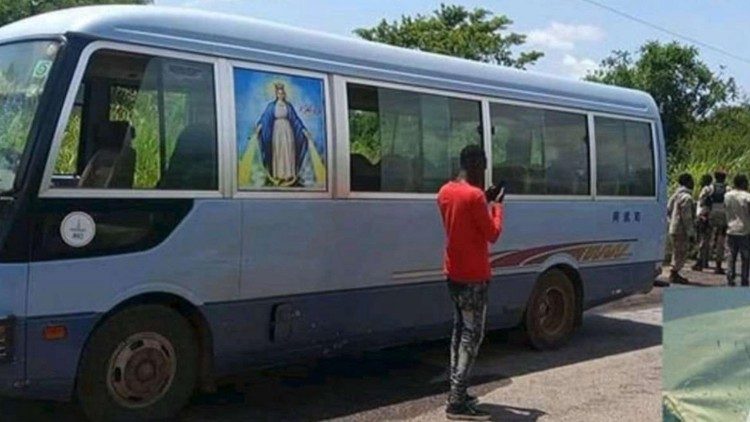
The two were victims of an ambush along South Sudan’s Juba-Nimule highway on 16 August. Sr Mary Daniel Abut and Sr Regina Roba were part of a group of nine sisters travelling together in a mini-bus when gunmen attacked them.

Unknown gunmen killed the nuns

“Our former Superior General, Sr. Mary Daniel Abut, who served the Congregation of the Sisters of the Sacred Heart of Jesus from 2006 to 2018, and Sr. Regina Roba were killed cold-bloodedly on their way back to Juba after celebrations of the centenary of the parish of the Assumption of Our Lady,” narrated Sister Amaa.

Following the ambush by unknown armed men, says Sister Amaa, the sisters “tried to escape and hid in the surrounding bushes.” The criminals managed to find the two nuns and killed them in cold blood.

Five days of mourning

The Archdiocese of Juba has announced five days of mourning throughout the diocese.

“On behalf of the Administration of the Catholic Archdiocese of Juba, I wish to inform the public that all Catholic ecclesial institutions (universities, seminaries, colleagues, kindergartens, primary and secondary schools) of the Catholic Archdiocese of Juba will be closed for four days to commemorate the late Sister Mary and Sister Regina from today 17 August until 20 August. Work will resume on 23 August,” reads a statement from Fr. Samuel Abe, Secretary-General of the Archdiocese of Juba.

Sister Mary Daniel was the headmistress of the Usra Tuna School in Juba. Sister Regina was a tutor and administrator at the Catholic Health Training Institute (CHTI) in the Catholic Diocese of Wau.

The Requiem Mass and burial will take place on 20 August at the parish of the Cathedral of St Theresa-Kator.

Vatican News

MENU

GIỚI THIỆU ĐƯỜNG LÊN ĐỈNH NÚI CÚI MẸ NÚI CÚI HÀNH HƯƠNG TIN TỨC & SỰ KIỆN TIN GIÁO PHẬN TƯ LIỆU NÚI CÚI CẦU NGUYỆN LIÊN HỆ
Hành hương
Hiệp ý
Menu
Thông báo
Đăng ký
Facebook Zalo TikTok YouTube
ĐĂNG KÝ